
Free Ground
What a work trip to Cape Town taught me about the myth of post-apartheid progress

My sister studied law at the University of Cape Town and later got married in the city. I visited a few times between 2002 and 2004, and knew the city mostly through her stories, favourite spots, and her particular love of the Western Cape. I boarded the plane for my recent trip there carrying all of that, and a quiet assumption that twenty-odd years later, the not-so-great bits would look different. Better.
The looks
We were there for a work offsite. Our organization is fully remote, and my colleagues hail from Brazil, Colombia, Ireland, Venezuela, India and France, among a litany of other countries. Once a year we pick a place to meet (bonus points if it’s a country we have active community projects in) and show up to debate and discuss social impact solutions, day in and out, for a week at time. I know we’re a very international group of people, but I wasn’t prepared for how disorienting this would feel when we arrived in Kalk Bay.
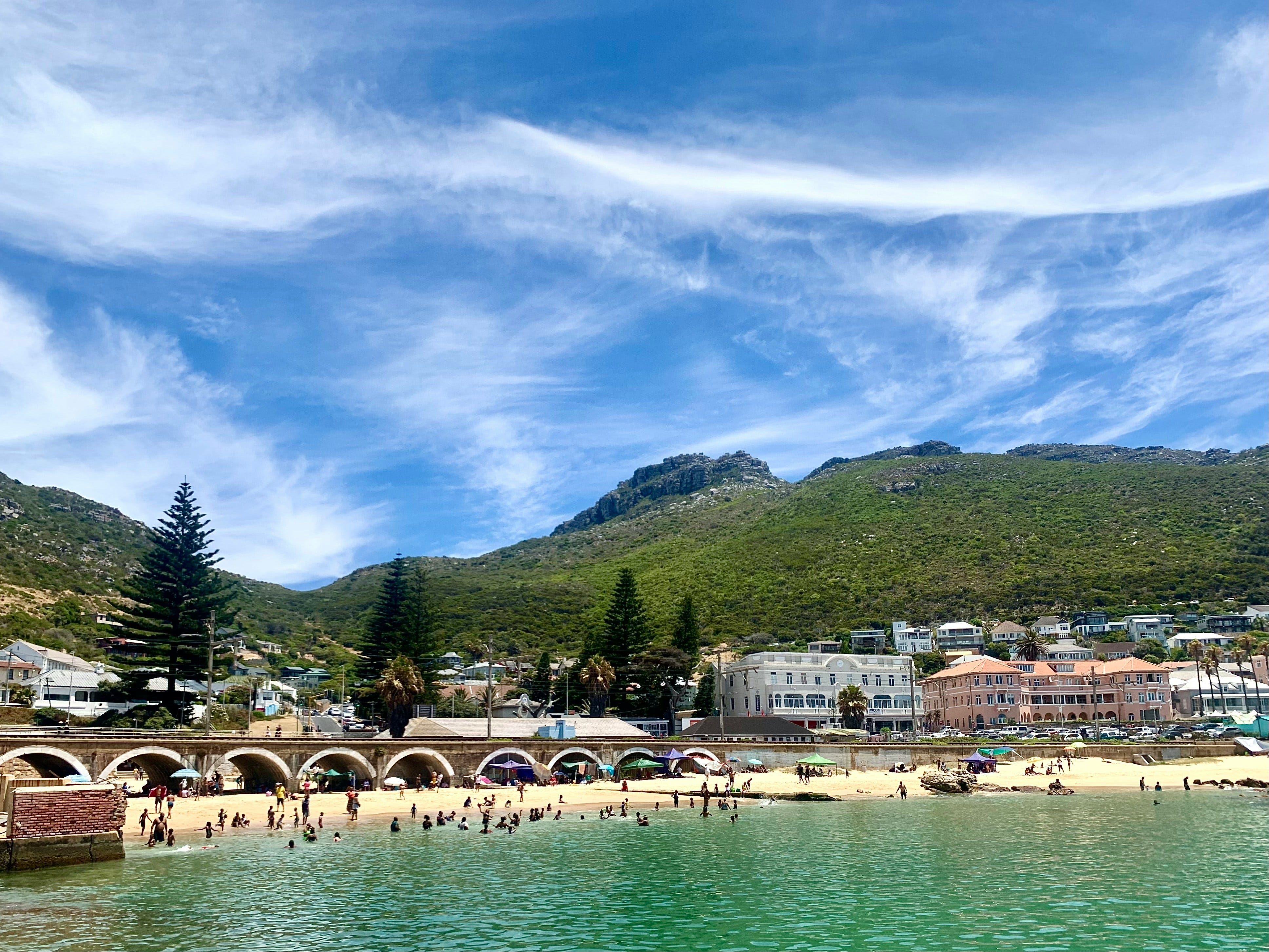
People stared.
And then there were two moments, two separate white women, at two different establishments, who mistook me for staff. I wasn’t dressed like staff. I wasn’t standing behind a counter or dressed in black. But I was Black, and that was enough.
The thing is, I wasn’t shocked. This has happened to me elsewhere. It happened a few times when I lived in Vancouver. The not-being-shocked of it all made me tired in a very specific way that isn’t connected to sleep. Only grief.
First impressions
Here’s what I noticed about Kalk Bay: there are Zimbabweans everywhere, mostly working service jobs. As waitstaff and in retail and hospitality, there’s no shortage of Rumbis, Tapiwas, and Tinashes. I grew up in Zimbabwe, and so this was equal parts familiar and oddly disturbing. The people who looked like me and felt like home were responsible for keeping the village charming for the people passing through it.
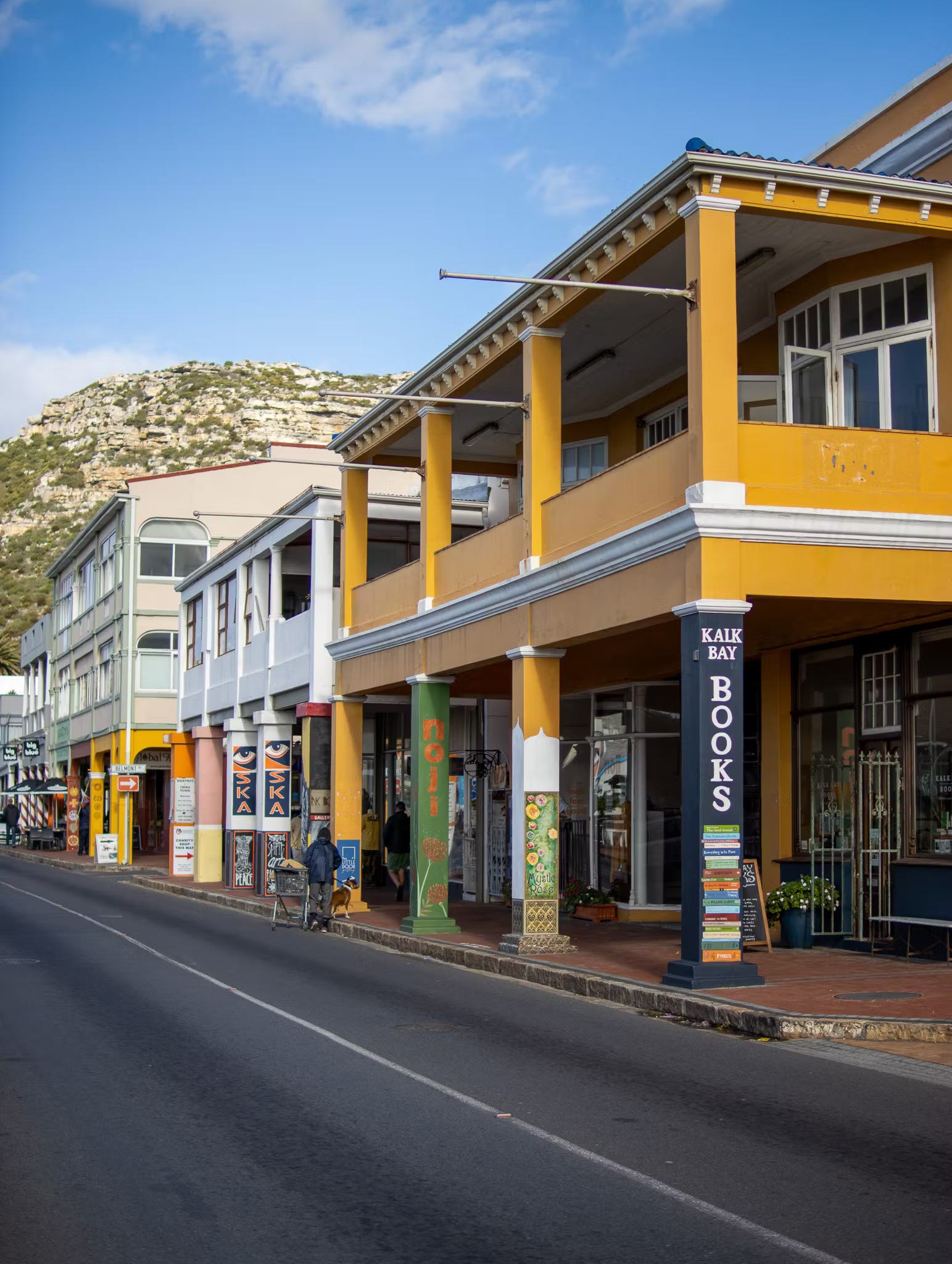
The people passing through it, eating the mussels, drinking the Western Cape wine, browsing the little shops, were white. During the entirety of my stay, I didn’t see a single Black person in Kalk Bay who was not working there.
In 2026. Thirty-two years after the end of apartheid. In a picturesque fishing village on the coast of an African country with a Black president and a constitution that is, on paper, one of the most progressive in the world.
Fifteen minutes away
We did a site visit to Vrygrond, a township about fifteen minutes from Kalk Bay where we’re currently funding a literacy program for primary school aged children. Vrygrond means free ground in Afrikaans.
I want to preface this by saying, I’ve seen poverty. It’s important to be honest about that. I’m not writing this from a position of first encounter with hardship. My parents are Tanzanian. My ancestors come from a rural village on the slopes of Mount Kilimanjaro. I know what it looks like when people don’t have much. That’s how I can tell the difference between humble and broken.
Vrygrond is something else.
There are no trees. There is no grass, plants or natural vegetation. The kids there, and there are beautiful kids who laugh, play, run and exist with the full force of childhood, don’t have access to nature. They have corrugated iron. Abandoned parking lots. Broken glass. Burned tires. An urban landscape that was never meant to sustain life, only contain it.
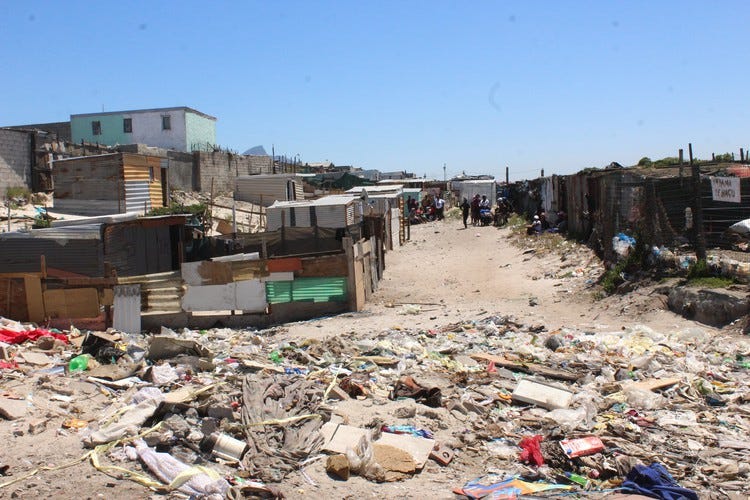
This isn’t an accident of poverty. This is the architecture of a specific cruelty.
Vrygrond sits on the Cape Flats, the stretch of flat, barren land outside Cape Town that the apartheid government designated as the place non-white people would go. The mechanism was the Group Areas Act, which divided cities into racial zones and gave the state the power to remove communities from land it wanted for white people. Entire neighbourhoods were bulldozed. Sixty thousand people were removed from District Six alone. The Cape Flats, described by people who lived through it as the dumping ground of apartheid, is where they were sent. Communities were not simply impoverished. They were physically relocated from land that was then taken, so that other people could have the views and the harbours and the cobblestones and the mussels.*
The result of this is that fifteen minutes from Kalk Bay, kids (many of whom can trace their ancestry back to the Cape Malay and coloured fishing community) are growing up without trees, on land nobody wanted. Ground that was designated free, but came at great cost.
Angry, and not surprised
I’m angry and also not surprised.
After eight days in Kalk Bay, I flew back to Lisbon. Back to my life, my family, my routine. I’m spending the days knowing that the kids in Vrygrond are still there. The white ladies in Kalk Bay are sipping their wine. And Rumbi, Tapiwa and Tinashe are carrying plates to tables.
—
*Thanks to Traci Kwaai, founder of Fisherchild for the deeply moving and impactful cultural tour of Kalk Bay and for shedding light on the history on the area.